Decades of violent conflict, political instability, famine, and poverty saw millions of Somali citizens emigrate searching for a better life. Now, with the situation in the country slowly changing, some of them are coming back home. Meanwhile, insecurity, floods and locusts continue to push more IDPs out of the rural villages. What does this portend for Somalia and the larger Horn of Africa? Ali Ibrahim explores the migration question and possible solutions.
For a country with a complicated history and enduring governance difficulties such as Somalia, thinking about migration involves a comprehensive discussion about state-building, humanitarian assistance, human rights, development, the environment, and how to mitigate recurring disasters such as droughts and floods.
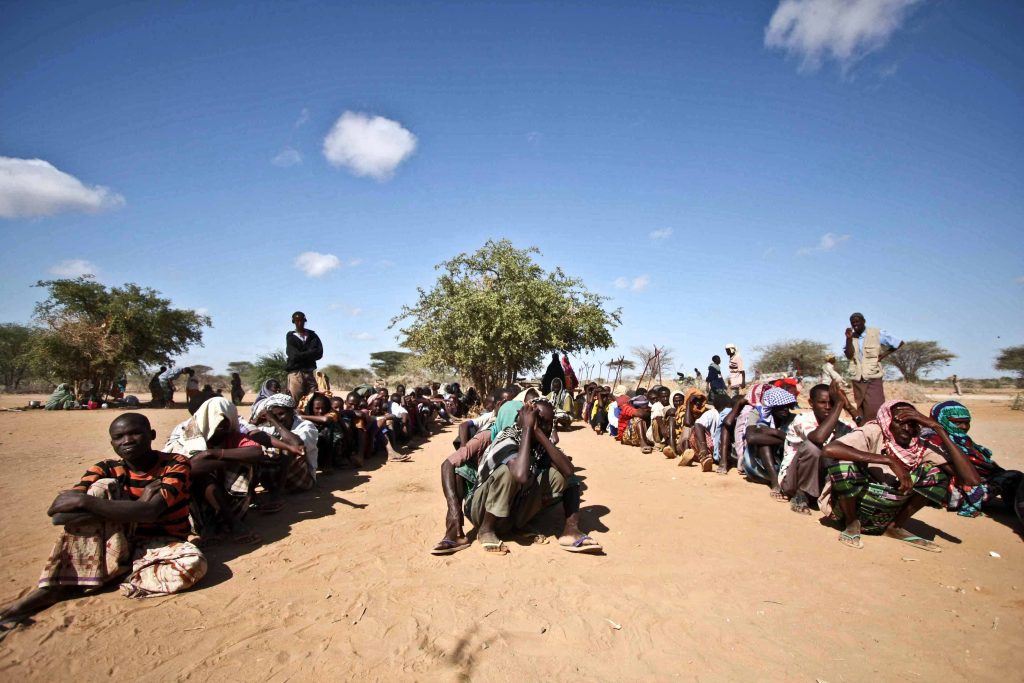
With all its woes –insecurity, conflict, severe drought, floods, and poverty—Somalia is mired in a complex migration status. While the wider narrative is that hundreds of thousands of Somali nationals are holed up in refugee camps in Kenya, Yemen and Ethiopia, the untold story is that there are other refugees flocking to Somalia, mainly those fleeing the fighting in Yemen, Syria and from Ethiopia as well. Meanwhile, inside Somalia, there are an estimated 2.6 million internally displaced people, uprooted from their homes due to floods, severe drought, and insecurity due to Al Shabaab extremists.
A keen look at the country’s five-year National Development Plan (NDP-9) covering the five-year period 2020-2024, the startling refrain for those escaping the troubles in their homeland remains “migration”. Most move out of the villages into the urban centres in search of security, peace, food and jobs. Others go beyond borders and take the dangerous journey to Libya, from where they try to cross the Mediterranean Sea to get to Europe. And yet others, flee as refugees or asylum seekers to foreign lands.
The development roadmap is categorical that Somalia has no migration infrastructure – the laws, policies and governance or administrative structures that guarantee the free movement of people. These are important in a world worried about cross-border crime, including terrorism and human trafficking, in a neighbourhood as tough as the Horn of Africa. For Somalia, with over 1.5 million of its citizens living abroad, a robust migration infrastructure, will, in the end, be of great benefit.
First, the committed Somali diaspora consistently sends an average of US$1.3 billion every year in remittances, equivalent to about 20% of the country’s GDP, according to the most recent World Bank data. Second, there are reports of thousands of skilled Somali emigres, toiling abroad, but with an enduring dream to go back and settle in their homeland – if only there were job and investment opportunities. Third, there are economic migrants in Kenya, South Africa, the United Kingdom, Sweden, Canada, Norway, Finland and the US, who are keen on establishing their businesses back in Somalia. The interests of these three groups must be addressed in whichever migration policies the government of Somalia comes up with as a matter of priority. Also important is the development of a diaspora engagement network/framework.
Reason? It all comes down to the economy. The government needs the skills, the money, and the committed people to help it get back on its feet. While the nexus of foreign aid, humanitarian assistance, and the expatriate economy, in existence for over 30 years, is helpful in building the capacity of the fledgeling government in Mogadishu, putting in place robust measures to tap the Somali diaspora is an essential first step.
The other pressing issue for the country is a plan for the rural-urban migration. While the government, together with its foreign partners, has worked hard to tame the insecurity, the conflict, and the political instability, there are natural disasters such as droughts and floods, and more recently, locusts, which have made life in the rural areas difficult. A January 2021 report of the World Bank predicts that in the next ten years “the proportion living in urban areas in Somalia will exceed those in rural areas”.
“Somali cities can be the nexus for prosperity and poverty reduction if this pace of urbanization comes with job-creating economic growth and planning to cope with the influx of new residents,” the report notes. “However, rapid and often unplanned urbanization risks straining existing public infrastructure and contributing to poor living, housing, and health conditions, and greater air pollution, congestion, and large distances between residential areas and sites of employment”.
It is fortuitous that the 2020-2024 development plan captures all these scenarios in the path for a “just, stable and prosperous Somalia”. It notes the urgent need for “planned and well- managed migration policies” to “facilitate orderly, safe, regular and responsible migration and mobility of people”. It points out the governance shortfalls that make it difficult to develop a reliable migration infrastructure. For example, the capacity of the immigration and naturalization agency and the Somalia federal police; corruption, and even political lethargy, have made it challenging to come up with policies, laws, and regulations to implement international migration protocols to the letter. For successful migration, Somalia has to work with its neighbours in the Horn, namely Kenya, Ethiopia, Djibouti and now Sudan.
Having painted the context, it is useful to look at what needs to be done to make the migration policies come alive, even amid the on-going delicate State-building, the upcoming presidential election scheduled for February 2021, and the lingering threat of the Covid-19 pandemic.
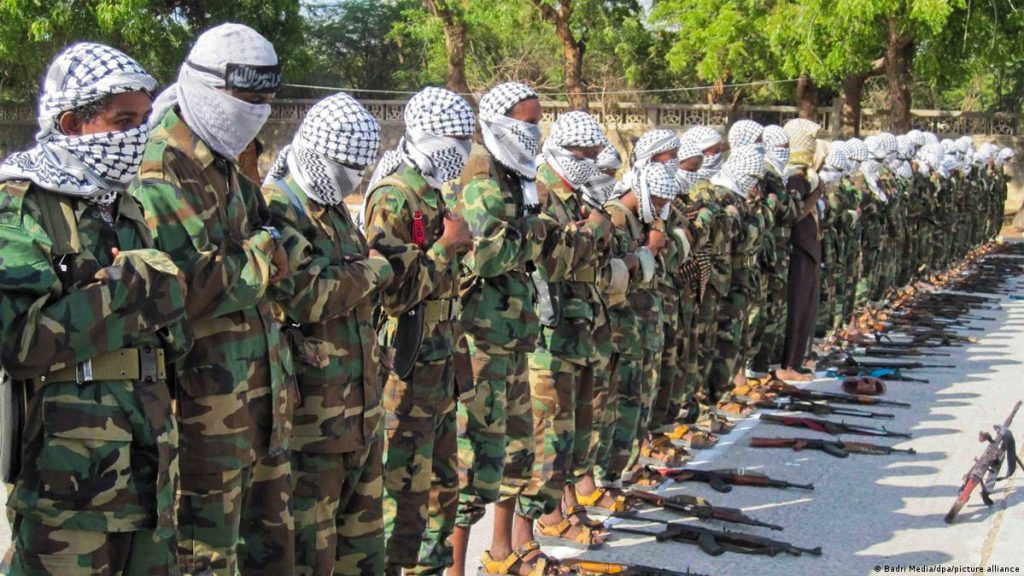
Poverty pushes people to relocate in search of greener pastures, and in the case of young people, it forces them to join the militant extremists to get some dignity, and identity, and earn a livelihood. The nomadic culture, with its embedded fight for resources, water, and pasture, is also a driver of internal displacement and in some way, the rural poverty. The foreign aid and humanitarian assistance in Somalia alone are not enough to answer the poverty question.
The government must figure out policies that will help reduce poverty. These include infrastructure development in rural areas, building schools, hospitals, roads and connecting these areas to electricity. The goal is to make sure that there are healthy, literate, and skilled young people, who can use the existing infrastructure to generate value. If the experience in Kenya and Rwanda is anything to go by, wherever good education and electricity connectivity combine, the magic of investment in industries and individual innovation happens. In short, it makes people less vulnerable.
Peacebuilding and food security then become the next frontier. Ridding the rural areas of extremists and the attendant insecurity is a core priority, and that means building the capacity of law enforcement authorities to maintain law and order. Care must be taken to minimize the enticing incentives of corruption and tribalism pointed out in the national development plan as weaknesses in building a stable Somalia.
Once the poverty is reduced and stability is achieved, it is naïve to think that investors will flock into Somalia. It is never a straight line. But it is apparent that it will slow down the movement of people from Somalia, and from rural to urban areas within the country. That’s why, there has to be a migration policy, including a labour migration policy and/or employment policy that will ensure that the movement of people from rural to urban areas is matched to the existing opportunities, and that the migration does not litter urban Somalia with slums and the attendant risks of urban poverty, crime, and waterborne diseases.
The National Action Plan on Durable Solutions for Somali Returnees and Internally Displaced Persons 2018–2020, was a useful document that emphasized the smooth and unimpeded resettlement and reintegration of returnees and IDPs.
Its successor the National Durable Solutions Strategy 2020-2024 is a very pragmatic document to address the twin seeds of Somalia’s under-development and poverty. It banks on inclusive politics to address the political fragility. It seeks to grow the economy and to formalize the informal sector and boost the formal sector to create jobs and improve livelihoods. Provision of reliable and trustworthy security which guarantees Somalia as a land of rule of law will help solve the violence and insecurity. The vulnerability of communities to forces of nature and other man-made exigencies will be cured through social development, education, health, and other livelihood-enhancing projects.
The best thing about the strategy is that it acknowledges the disruptive nature of floods and droughts and has asked the government to know that it will be fixing the politics, the conflict, the economy and the poverty “within the increasing frequency of climate events and community displacement”. The strategy is one of the few government documents that boldly call for the adoption of the National Migration Policy because it provides the legal and policy framework governing the movement of refugees, returnees, the displaced, asylum seekers and other migrants, including unaccompanied children.
“The legal dimension involves integrating the migrant into rights enjoyed by the host community. For refugees, this involves considerations of citizenship of the country or naturalization but for IDPs this issue may not be of high importance,” it notes.
“The economic dimension involves supporting migrants to have sustainable livelihoods where they have decided to relocate”.
As experience has shown, some returnees and IDPs sometimes met hostile reception and were forced to jump through bureaucratic and administrative hoops that forever made their quest for a better life as Somali citizens impossible.
Similarly, the strategy does address the rural-urban migration and proposes urban planning as a priority.
“Rural development schemes that offer attractive livelihood opportunities for youth shall be supported to help manage rapid urbanization,” it notes.
To sum up, the politics of migration governance in Somalia must be strongly linked to the incentives of having the Somali diaspora firmly embedded in the development of the nation. They cannot do that as refugees, or as restless returnees or IDPs. It is also impossible to integrate jobless and often unemployable slum dwellers into such a conversation about migration infrastructure. Building a state in an environment where the bulk of the population is vulnerable to the shocks of nature is also futile. The shortcut is to have a plan that thinks about all nationals within and outside the country; make the land habitable for everyone and provide reasonable incentives to make the diaspora seek to come home. The first step towards this challenging journey is to build a robust migration infrastructure that addresses the interests of refugees, returnees, IDPs, and Somali nationals.
-The author is a PhD Candidate, Senior Consultant at HDC and works on governance and peacebuilding support in the Horn of Africa.